




A single no-showed crown prep costs around £1,200 in lost chair time. Scale that across the 10-18% no-show rate most dental practices experience, and the numbers get uncomfortable fast. The good news? We're seeing practices cut those rates by 30-50% with smarter confirmation systems, and the highest performers are recovering £150,000 or more annually through same-day backfill alone. Here's what's actually working.
Why no-shows are a revenue leak, not a scheduling problem
Most practices treat empty chairs as a diary issue. The data tells a different story. The average dental practice loses £150,000-250,000 per year to no-shows, last-minute cancellations, and incomplete recall cycles. That's not a scheduling problem. That's a revenue leak with three distinct recovery points.
Step 1: Pre-appointment prevention (the 48-hour window) This is where the highest-performing practices focus first. A missed hygiene slot costs roughly £290 in unbilled chair time. A no-showed crown prep? Closer to £1,200. The 48 hours before an appointment represent the best opportunity to prevent those losses entirely.
Step 2: Real-time backfill (same-day systems) When prevention fails, speed matters. Practices with automated waitlist systems fill cancelled slots within hours, not days. Half of all rebookings happen outside 9-to-5 hours, which explains why manual recovery rarely works.
Step 3: Post-no-show salvage (24-hour follow-up) Here's where most practices fall short. Only 22% follow up on missed appointments within 24 hours. Research on scheduling strategies to reduce cancellations shows that just 38% have systematic recall processes at all. The majority simply lack the infrastructure to recover what they've lost.

"Every empty chair has three chances to get filled. Most practices only use one."
Pre-appointment zone: Prevent 80% of no-shows in 48 hours
The 48 hours before an appointment represent the highest-leverage window for no-show prevention. Practices getting this right see dramatic improvements. Here's what the top performers have in common.
Step 1: Layered confirmation sequences The industry default, a single reminder 24 hours out, barely moves the needle. Practices using a 2-hour reminder with clear confirmation prompts ("Reply C to confirm or R to reschedule") see no-show rates drop by 30-50%. The difference is timing and actionability. A prompt that arrives while patients are already planning their day converts far better than one sent the night before.
Step 2: Frictionless rescheduling links Every reminder that goes out should include a one-tap reschedule option. When patients can instantly move to a new slot, they convert rather than simply vanishing. The goal is capturing intent before it evaporates.
Step 3: GDPR-compliant WhatsApp reminders For practices with multi-language patient bases across Europe, WhatsApp consistently delivers higher open rates than SMS while meeting GDPR consent requirements. WhatsApp and web chat for dentists are becoming standard in practices that serve diverse communities.
The operational key: integration with practice management systems like Exact, Carestream, and Software of Excellence. When the 48-hour sequence runs automatically, front-desk teams recover hours each week without touching the diary.
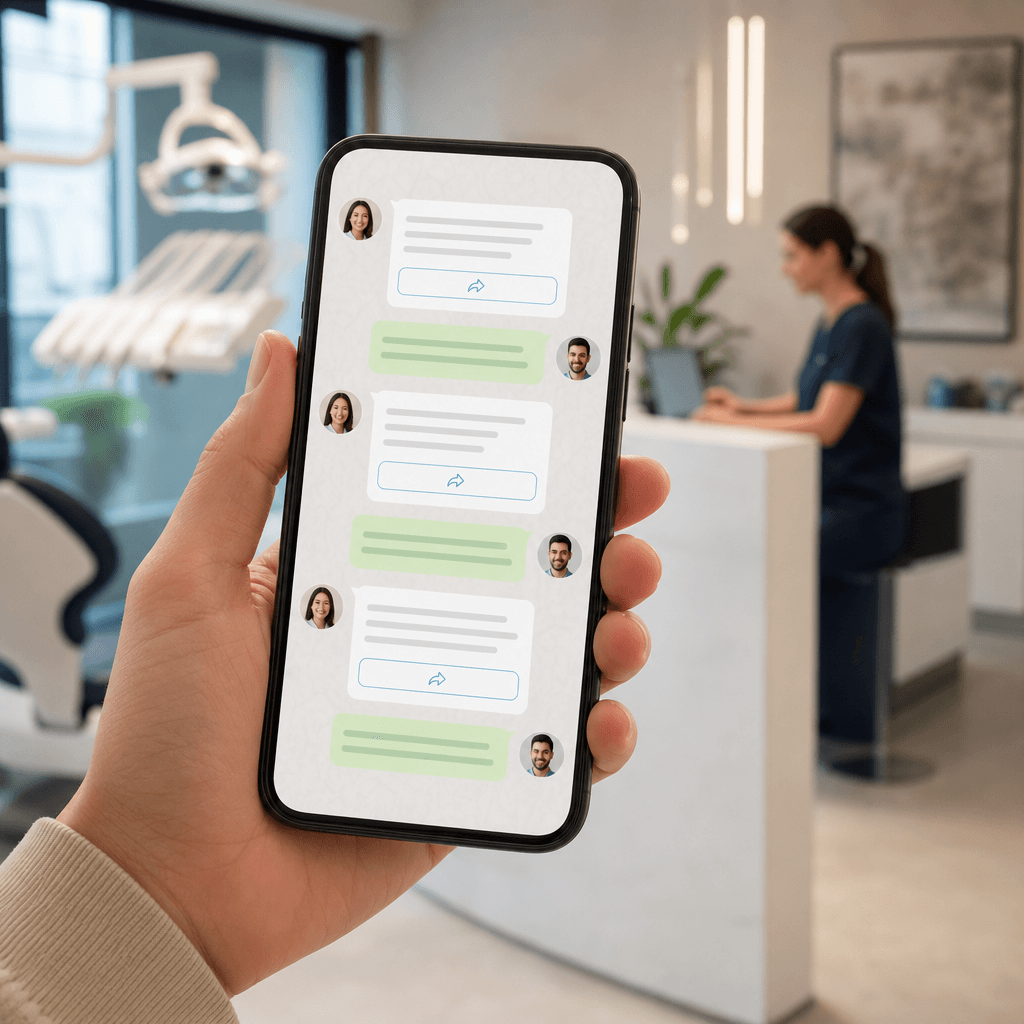
Real-time backfill: Convert cancellations to filled chairs in 2 hours
Prevention works, but cancellations still happen. The difference between high-performing practices and everyone else comes down to response speed.
Tactic 4: Active waitlist with instant notifications When a cancellation hits the diary, automated systems contact waitlisted patients immediately. The slot gets filled before front-desk staff even notice the gap. Practices with active waitlist automation consistently recover chairs that manual processes would lose entirely.
Tactic 5: After-hours phone lines for rebooking Half of all rebookings happen outside 9-to-5 hours. Most practices send those calls to voicemail. The maths is brutal: every unanswered evening call is a potential same-day fill that evaporates overnight. Practices investing in phone availability for dental practices capture bookings their competitors miss.
Tactic 6: Instant recall for overdue patients Smart practices treat cancellations as triggers, not losses. When a slot opens, automated systems contact patients overdue for hygiene or checkups. An empty chair becomes reactivated revenue. Research into proven tactics for reducing no-shows confirms that practices combining these approaches see the strongest recovery rates.
The numbers back this up. Practices using AI scheduling and automated reminders report 32% fewer no-shows and £8,000 to £15,000 in additional monthly production from recovered chair time alone. That's revenue sitting on the table for any practice willing to automate the response window.
Post-no-show salvage: Recover patients within 24 hours
Most practices lose patients in the 24 hours after a no-show. With only 22% following up within that window, the majority simply let patients drift out of the recall system entirely.
-
Same-day follow-up closes the gap. Practices with structured workflows contact no-shows within hours, not days. The difference matters: patients who hear nothing assume the practice doesn't notice or care. A quick outreach signals that their appointment mattered and their next slot is waiting.
-
Automated rebooking outreach saves staff time. When a no-show triggers an instant phone call or message sequence, front-desk teams only handle patients who respond. No more morning calls through a list of voicemails. Research on reducing dental no-shows confirms that practices combining courtesy calls with automated systems see the strongest retention rates.
-
New patient no-shows need immediate priority. Patients waiting more than one month for an initial appointment are more than twice as likely to cancel and never reschedule. That's a patient who may already be searching for another practice. The fastest follow-up goes to first-time bookings.
-
The workflow runs without manual effort. Automated systems handle the outreach, staff handle the responses. The morning scramble disappears.
The practices recovering the most revenue treat no-shows as triggers for instant action, not end-of-week admin.
Prioritising tactics by ROI and implementation ease
Not all tactics deliver equal returns. The practices seeing the fastest results rank each approach by two factors: chair time revenue recovered and front-desk hours required to maintain the system.
The quick wins come first. Layered confirmation sequences and WhatsApp reminders deliver the highest ROI with minimal setup, particularly when they plug directly into existing practice management systems like Exact or Carestream. These run in the background. Front-desk teams barely notice them, but the diary fills up.
The next tier requires more infrastructure but eliminates ongoing staff involvement entirely. After-hours phone lines and instant waitlist notifications need upfront configuration. Once running, they operate without daily attention. Practices using an AI dental receptionist report 45% faster patient intake alongside the no-show reductions, compounding the operational gains across multiple metrics.
The metrics worth tracking are chair utilisation rate and recovered revenue per month. Abstract patient satisfaction scores rarely drive operational decisions. Recovered chair time does. A practice filling three additional slots per week at £290 each adds over £45,000 annually, with zero increase in marketing spend.
The pattern is consistent: automation handles volume, staff handle exceptions. The practices recovering £150,000 or more annually built their systems in exactly this order.
See how Voicelabs Dental automates confirmations, after-hours rebooking, and no-show follow-up. Book a demo to calculate your practice's recoverable revenue.